
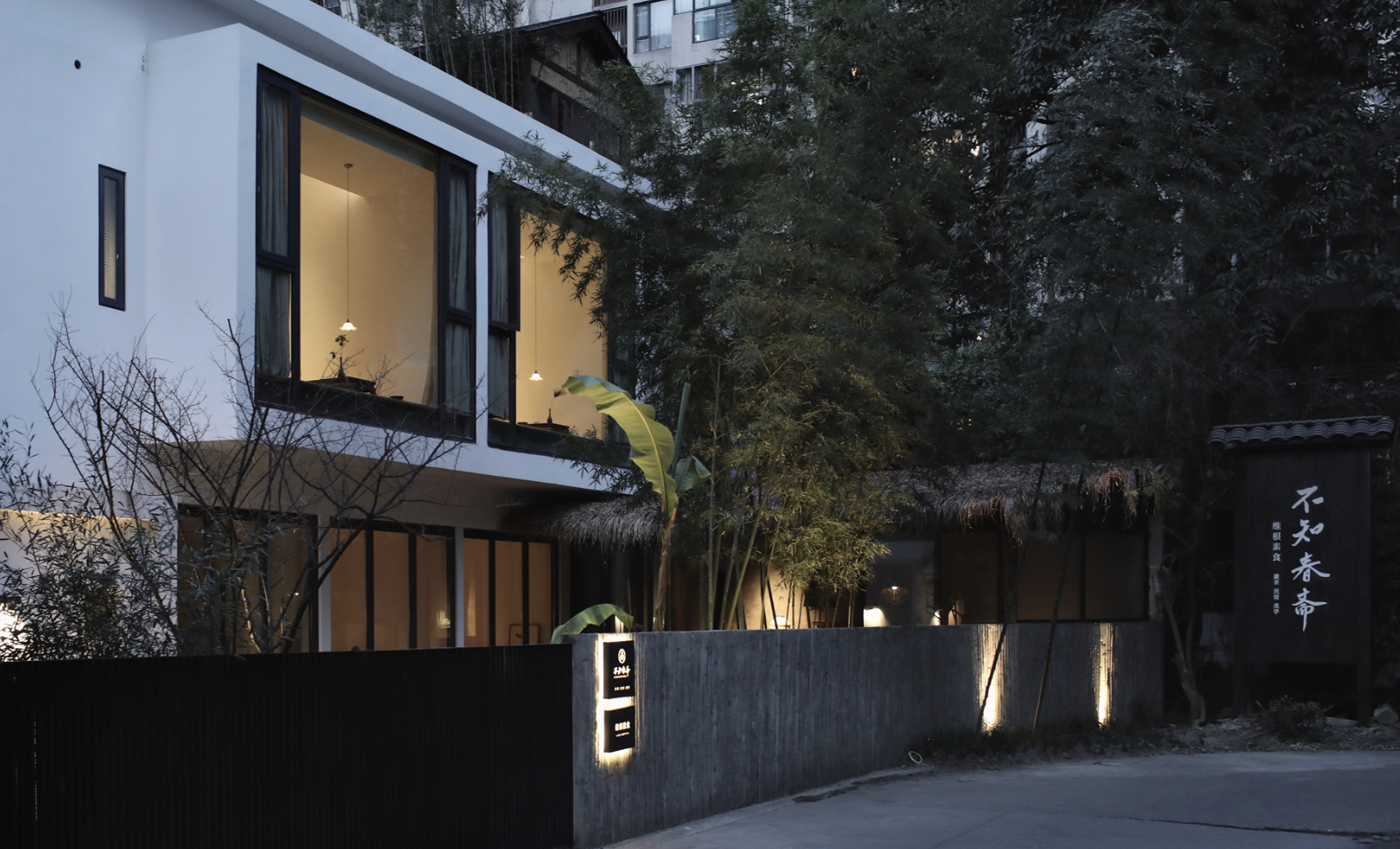
Boutique Tea Guesthouse Transformation
Turning a brand thesis (tea + retreat) into a workable hospitality program and sequence.
Boutique Tea Guesthouse Transformation
- A rare urban asset with an independent courtyard was repositioned into a rock-oolong tea cultural stay: tea retail + experience on Level 1, and a nine-room guesthouse above.
- The core work was not “styling” — it was converting a brand narrative (tea, mountain retreat, slow sequence) into a practical program, circulation, and service spine.
- Spatial sequencing (thresholds, partial reveal, turning routes) was used as an operating strategy to increase dwell time, strengthen identity, and support longer stays.
What this case demonstrates (for buyers)
When a property has potential but lacks a clear identity, the highest-leverage decision is defining what the asset should be — and translating that thesis into a plan that actually operates. This case shows how “experience intent” becomes program allocation, circulation logic, and service layouts (not just concept language).
- A positioning thesis that informs what to build (and what not to overbuild).
- Program mix that supports both stay economics and an experience anchor (tea retail + cultural display).
- Operational circulation and sightline strategy designed to slow movement and increase dwell time.
- A clearer basis for sequencing and budget allocation before the design scope locks in.
What we define before design begins
- Program allocation: tea retail + cultural display on Level 1; nine guest rooms on Level 2; roof garden as an extension of the “journey”.
- Experience sequencing: thresholds, partial reveal, and turning routes that create “scenery along the path” in a compact footprint.
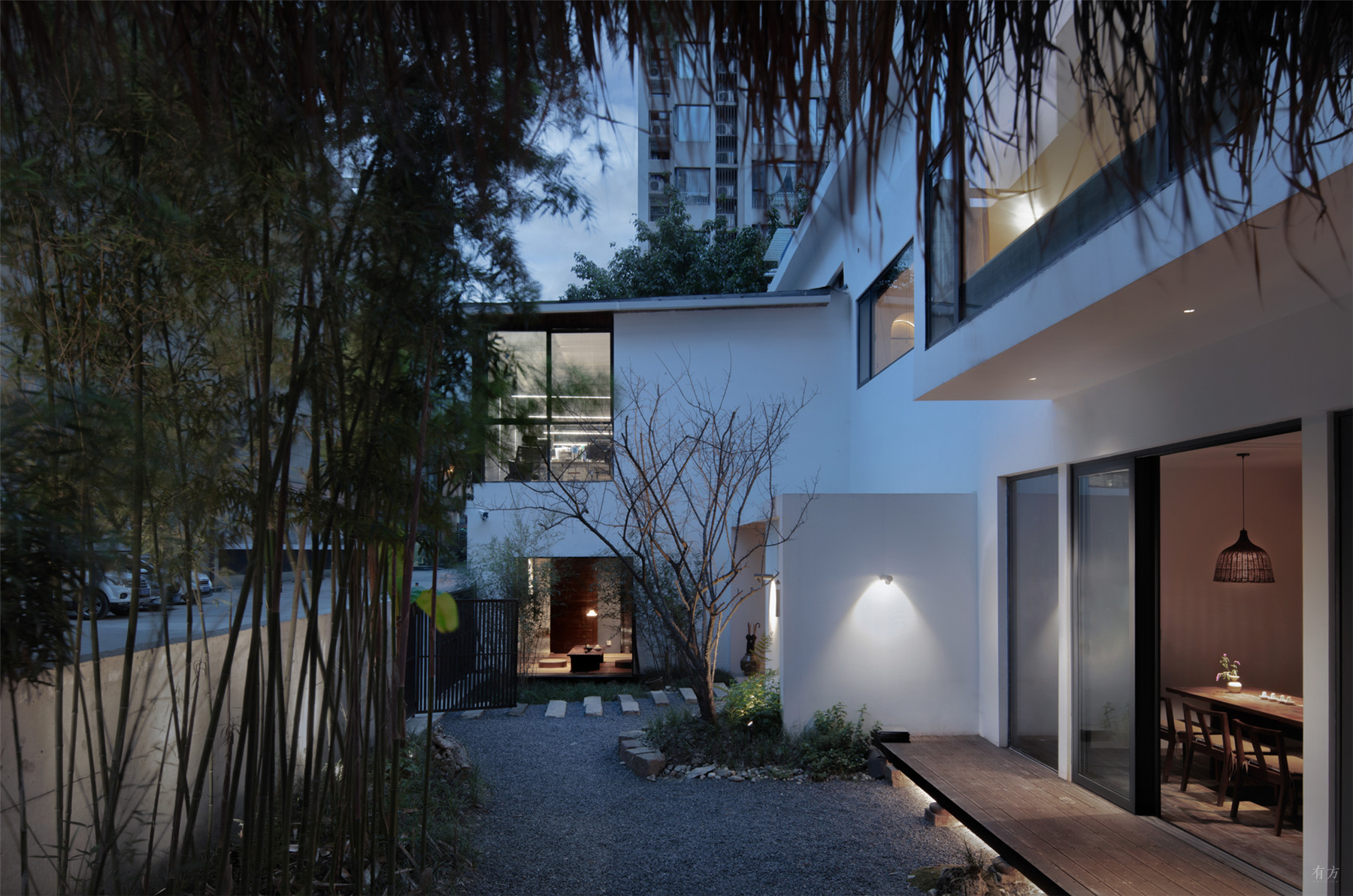
- Entry and courtyard logic: softening the approach (screening), then anchoring the experience with a courtyard + tea hut.
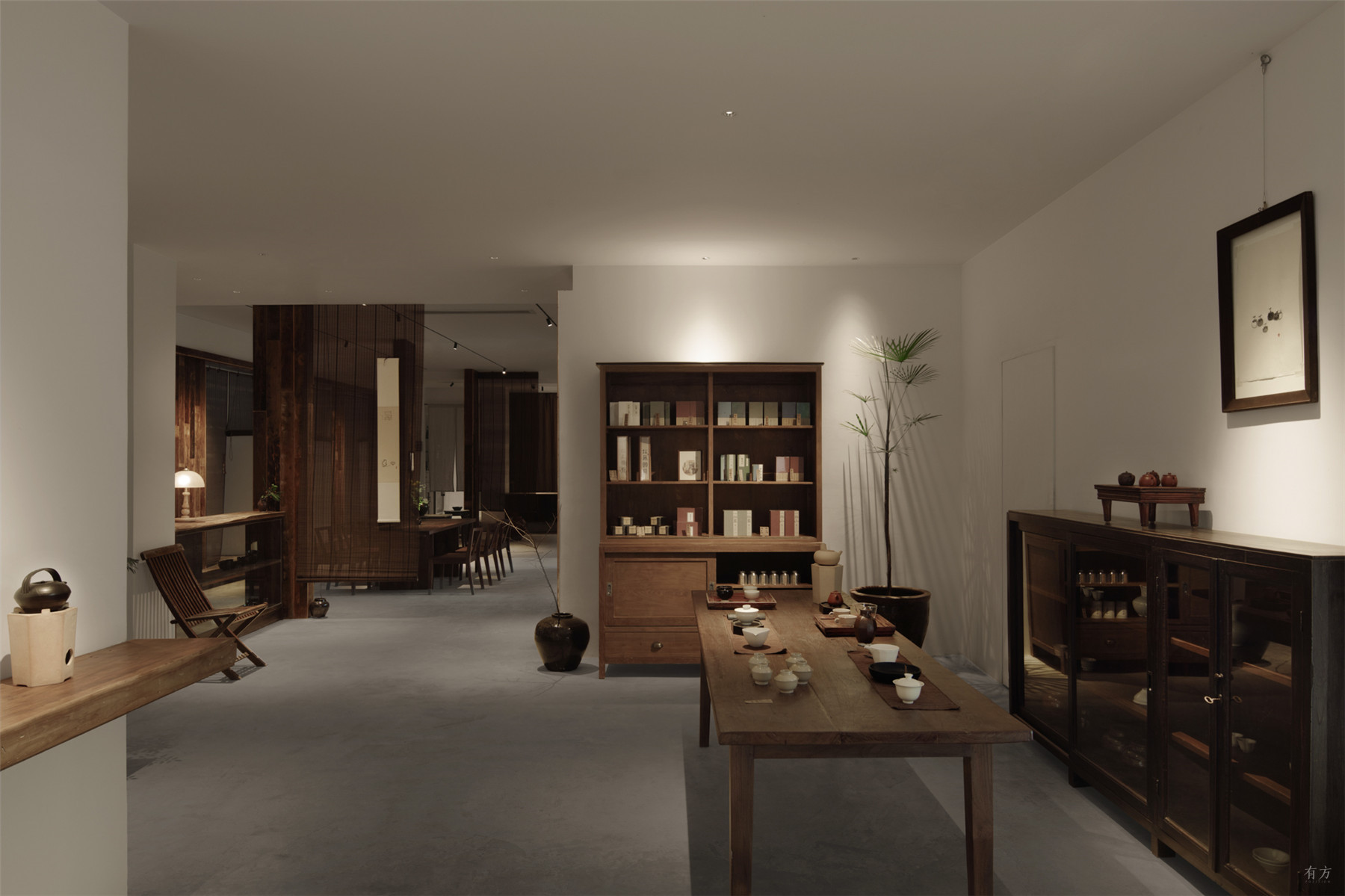
- Service spine: a central long tea table as the operational anchor (service + orientation), not decoration.
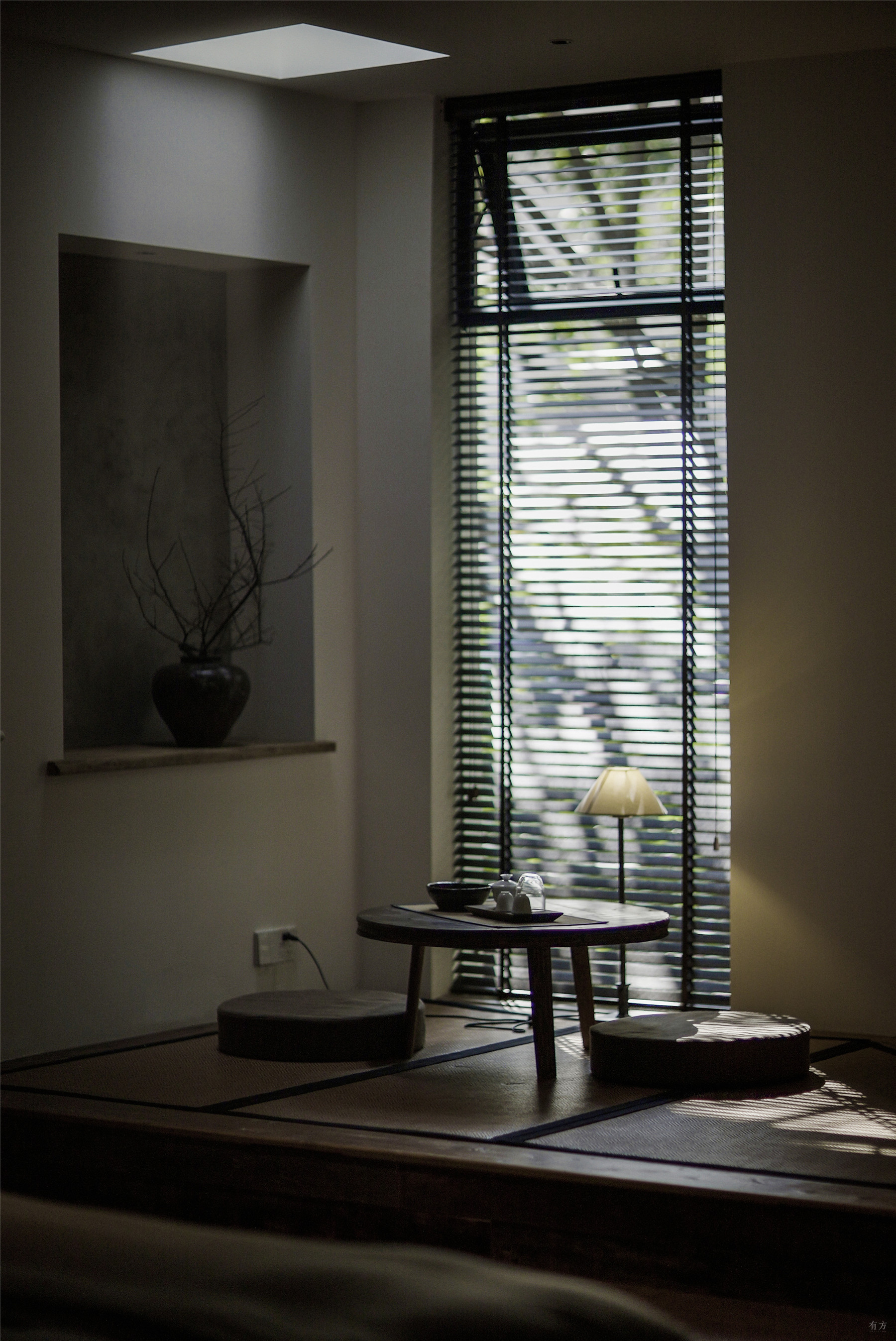
- Guestroom logic: varied room types with small entry turns/porches that extend the “mountain path” experience into private space.
- Material and craft priorities that support authenticity and long-term atmosphere (not short-lived finishes).
How the thesis becomes a sequence
These images are included as evidence of the decision logic: thresholds and partial reveal, a courtyard as a “pause”, and an interior service spine that makes the experience operational — not merely atmospheric.
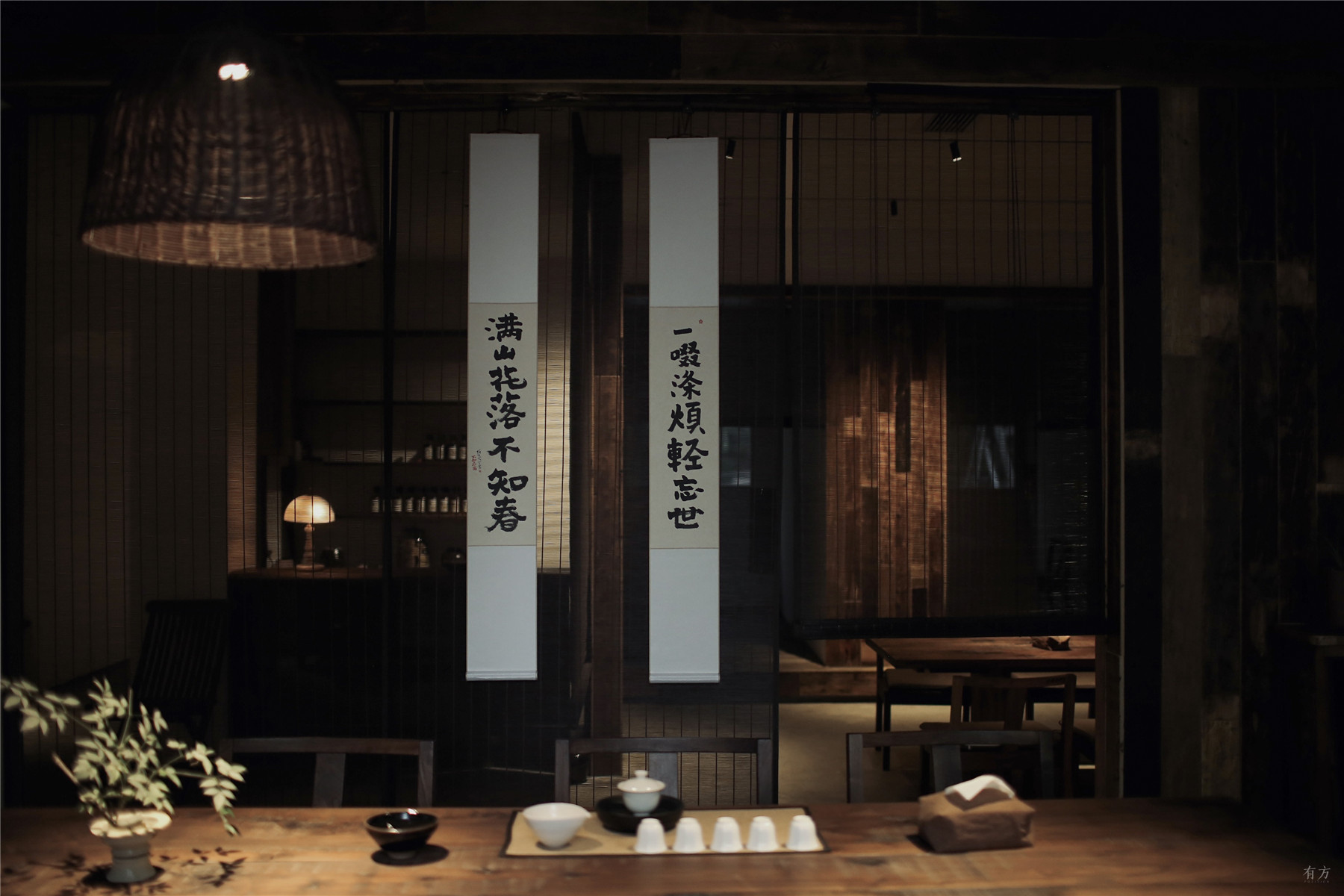
Experience intent must be operational
In repositioning work, “concept” is only valuable if it becomes a plan that supports operations. Here, the brand thesis (tea culture + retreat) translates into clear program allocation, a service spine, and sequence decisions that shape dwell time and stay behavior.
This project reflects our approach to aligning spatial decisions with long-term asset logic — principles directly applicable to property investments and developments in Bali.