
Urban Onsen Spa Repositioning
Transforming a traditional bathhouse into a lifestyle-driven leisure space.
Urban Onsen Spa Repositioning
- Aging facility repositioned toward a younger, social market.
- Spatial layout redesigned to increase dwell time and group use.
- Business model shifted from service-based to experience-based.
Why this case matters for Private Advisory
This is not presented as a “design story”. It is an example of early development-direction thinking: when an asset underperforms, the highest-impact work is often deciding what it should become — and translating that positioning into a buildable spatial plan.
In Private Advisory terms, this case sits in Built Form & Development Strategy: defining investment scale, program mix, and layout sequencing before detailed design locks the decision in.
- A clearer positioning thesis that informs what to build (not just how it looks).
- Program and circulation decisions aligned with dwell time and group use.
- A practical direction for an experience-led revenue model, not a single-service dependency.
What we were solving (before design)
The core question was not “how to refresh a facility.” It was how to reposition it toward a younger, more social market while preserving the onsen promise of recovery and calm.
Our scope focused on clarifying the experience sequence, defining the program anchors that enable longer stays, and aligning spatial planning with an experience-based operating model.
- Where social anchors sit vs where recovery zones stay protected.
- How arrival, orientation, and circulation reduce friction for group use.
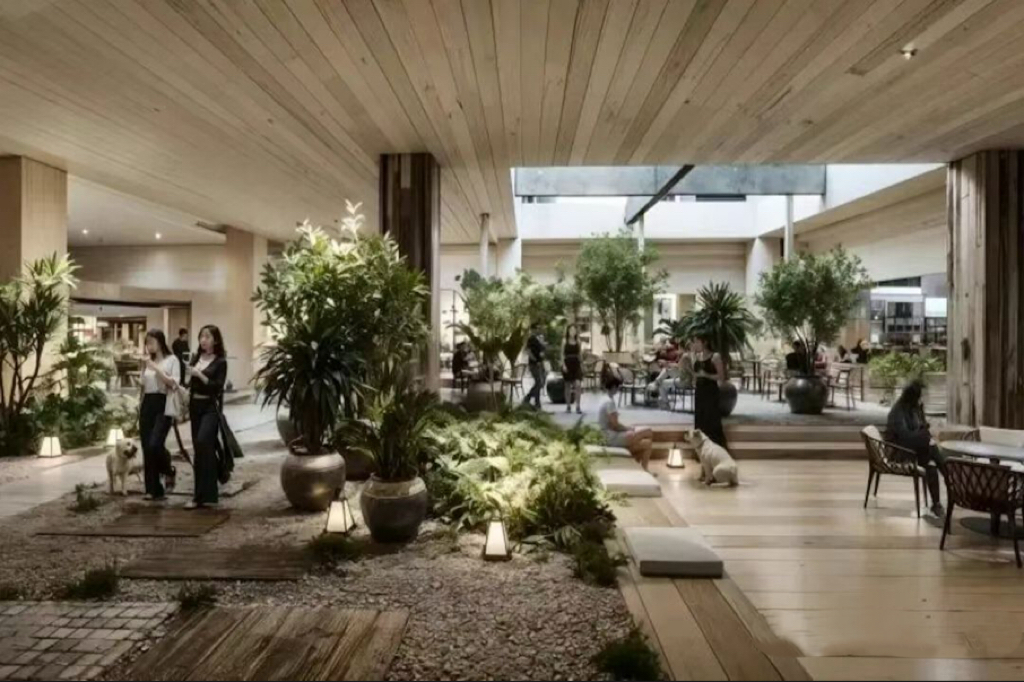
- Which program additions support dwell time (F&B, lounge, rest) without diluting the concept.
- What the street edge communicates: identity, transparency, and entry clarity.
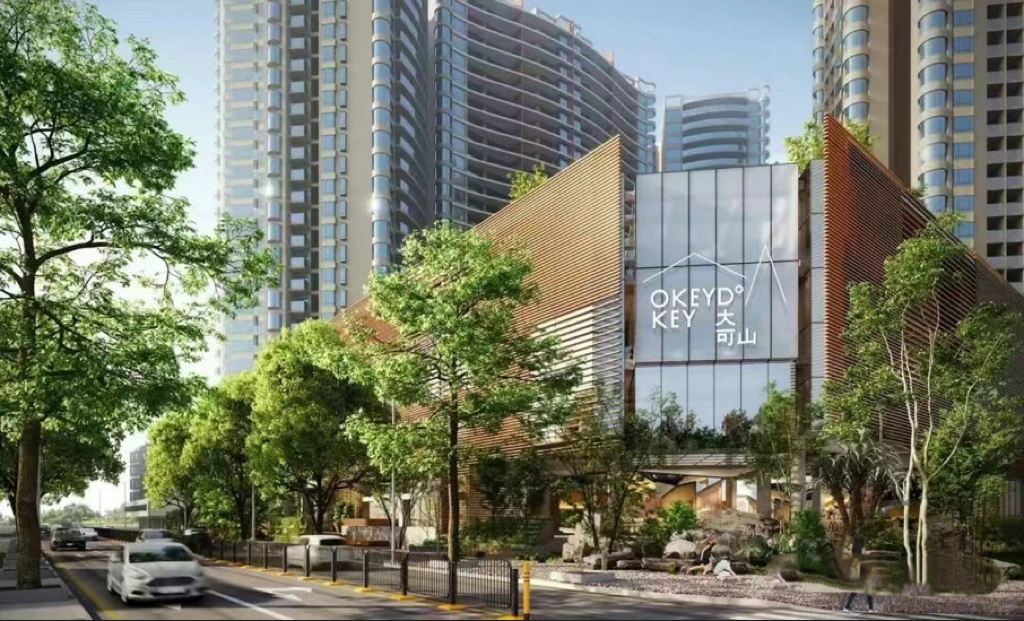
Design as a business model lever
The repositioning was driven by a change in demand: from transactional services to social leisure. The spatial strategy focused on sequencing the experience so visitors could arrive, settle, move between zones, and stay longer — without operational friction.
Layout decisions were treated as performance decisions: increasing group capacity, clarifying circulation, and creating social anchors that support higher dwell time and repeat visits.
How business judgement becomes a spatial brief
In Private Advisory, we do not “guess outcomes”. We translate a positioning thesis into measurable drivers that a plan must support — then stress-test the trade-offs before design effort becomes expensive to reverse.
- Dwell time and experience sequencing (arrival → social comfort → recovery → exit)
- Group share and peak-hour throughput (how many people the plan can support without friction)
- Secondary revenue attachment (e.g., F&B / lounge) without diluting the core offer
- Repeat-visit logic (comfort, variety, and recovery quality)
| Driver | Base | Repositioned |
|---|---|---|
| Average dwell time | Low | Medium–High |
| Group share | Low | Medium |
| Secondary attachment | Low | Medium |
| Peak-hour friction | High | Lower |
| Repeat-visit potential | Medium | Higher |
Sequence first, aesthetics second
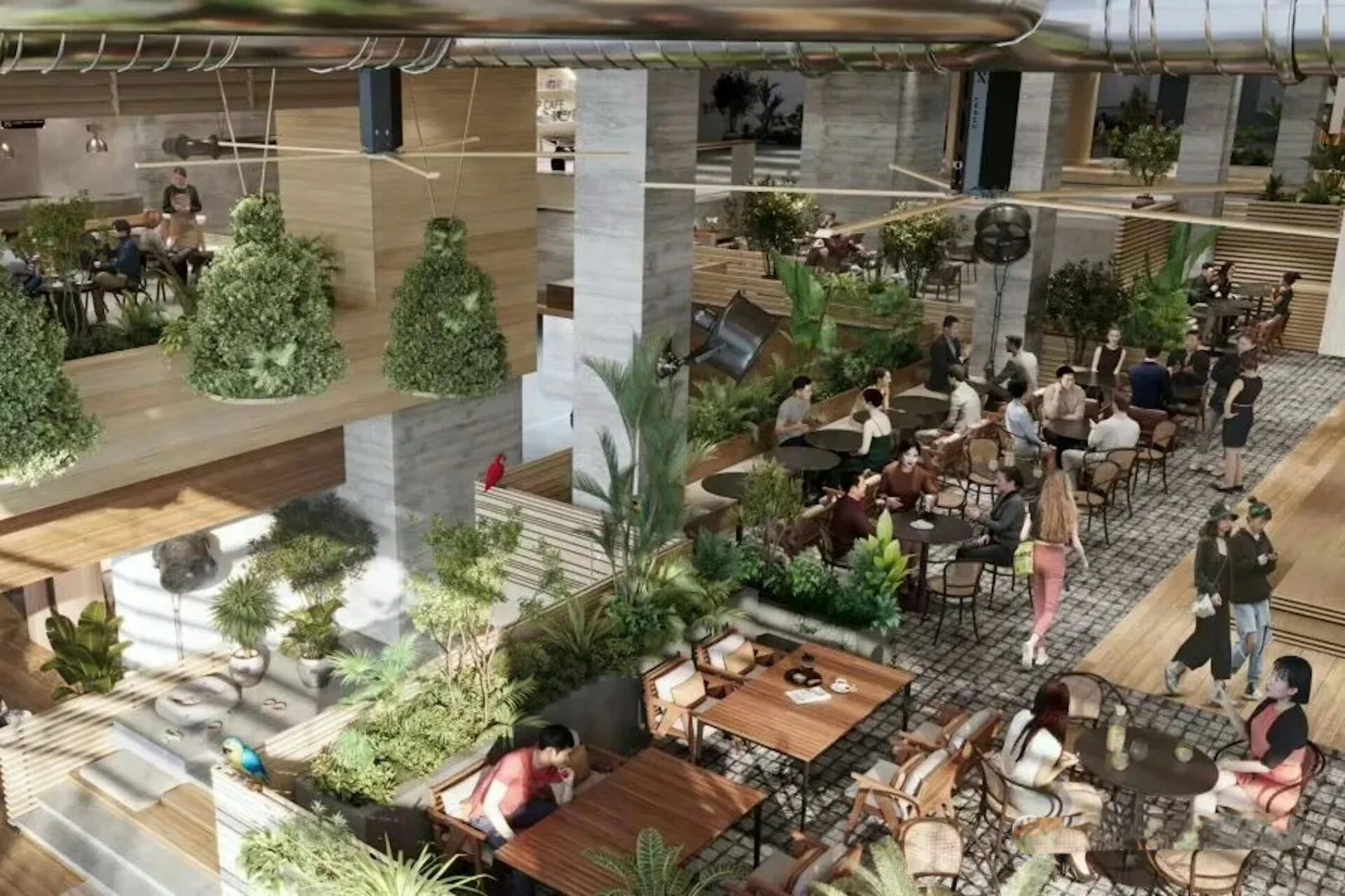
The key decision was to treat the facility as an end-to-end experience rather than a set of services. Planning started with arrival, orientation, and social comfort — then moved into bathing and recovery — and finally into longer-stay support (resting, food, and flexible dwell space).
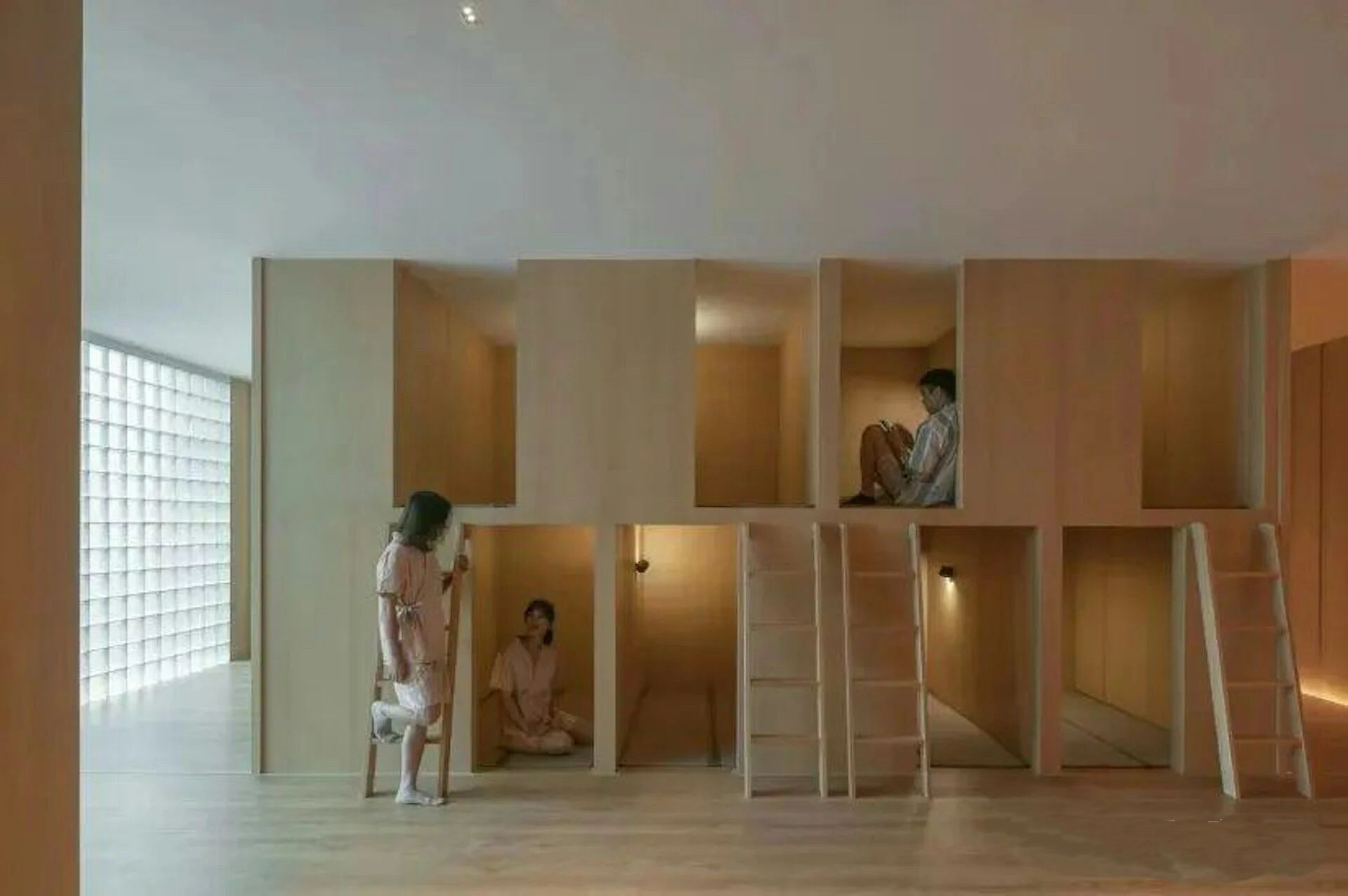
Lounge and yard zones support group use, while recovery areas preserve calm. Program additions such as F&B and rest pods support longer visits and reduce dependency on single-service revenue.
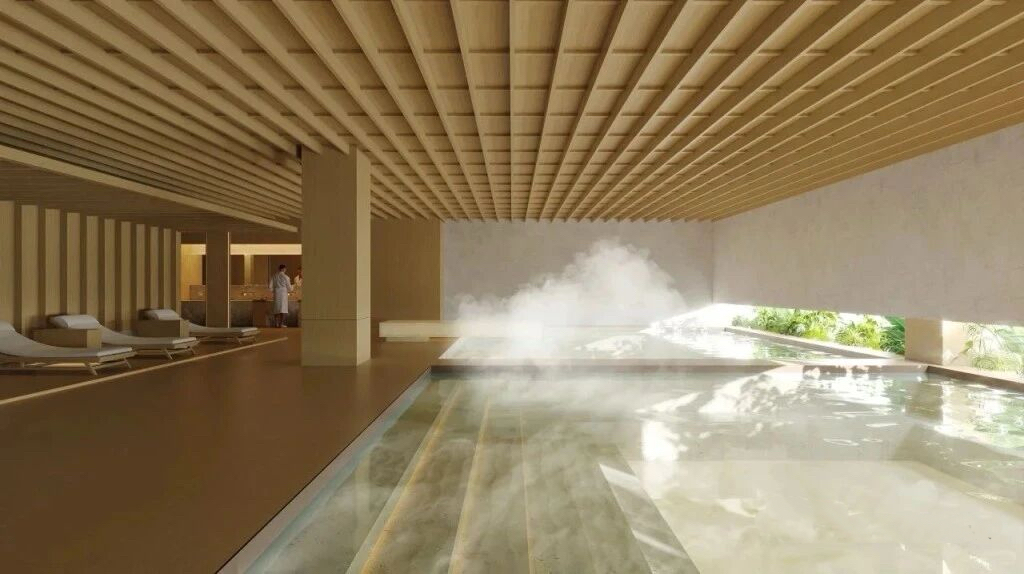
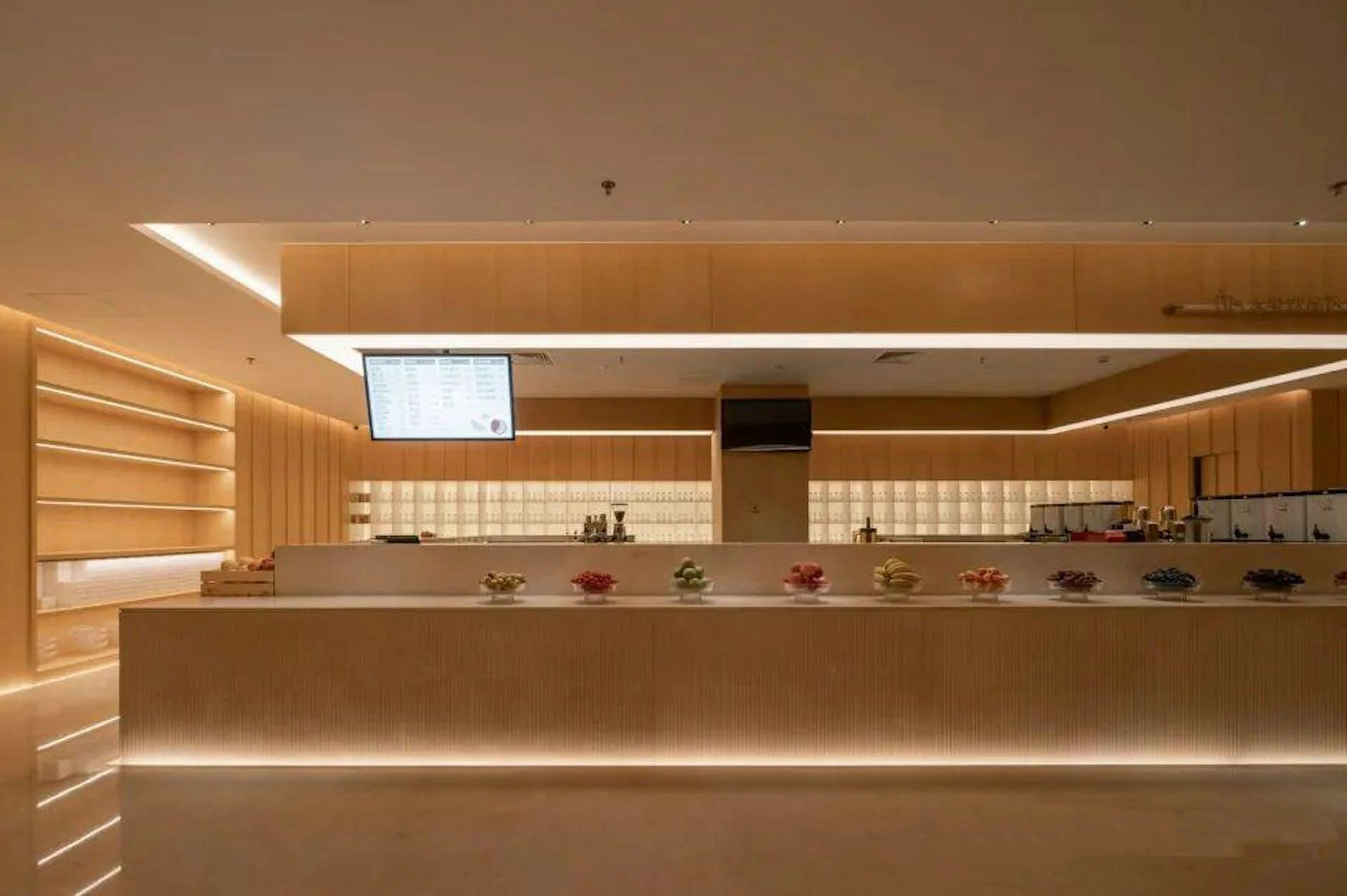
Performance follows the plan
This project reflects our approach to aligning spatial decisions with long-term asset logic — principles directly applicable to property investments and developments in Bali.